
Drilling Better Than Top Hammer? the debate between DTH (Down-the-Hole) drilling and top hammer drilling has been ongoing in the construction and mining industries. Each method offers distinct advantages, and the right choice often depends on the specific project requirements.
When it comes to rock drilling, the choice of technology can significantly impact efficiency, cost, and precision. Among the various drilling methods available, top hammer drilling has long been a go-to solution for many industries. However, advancements in drilling technology have introduced alternatives that can outperform top hammer in specific applications, offering superior results and value.
One such technology is rotary drilling with down-the-hole (DTH) systems. Unlike top hammer drilling, where the percussion mechanism is located above ground, DTH systems place the hammer directly behind the drill bit. This design minimizes energy loss, ensuring that the full power is delivered to the rock. The result is higher penetration rates, straighter holes, and less wear on equipment.
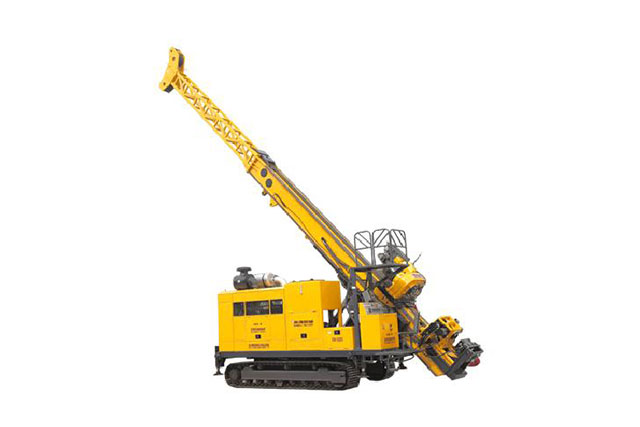
Another contender is the hydraulic drilling system, which delivers exceptional precision and power. Hydraulic drills operate quietly and offer smoother operation compared to pneumatic top hammers, making them ideal for urban environments or sensitive projects. Additionally, they reduce vibration, leading to improved operator comfort and reduced equipment fatigue.
Innovative drilling technologies also shine in adaptability. For instance, advanced rigs can combine multiple methods, allowing users to switch between techniques based on ground conditions. This flexibility ensures that projects remain on schedule without compromising performance.
In conclusion, while top hammer drilling remains effective for many tasks, alternative systems like DTH and hydraulic drilling are redefining industry standards. Their superior precision, efficiency, and adaptability make them the future of rock drilling.